
- Progress tracker
-
Freephone0800 731 4972
-
International+44 20 3455 0305
How Long Does it Take to Bring A Loved One Home to the UK?
How Long Does it Take to Bring
A Loved One Home to the UK?
**t October 2022 by Mears Repatriation
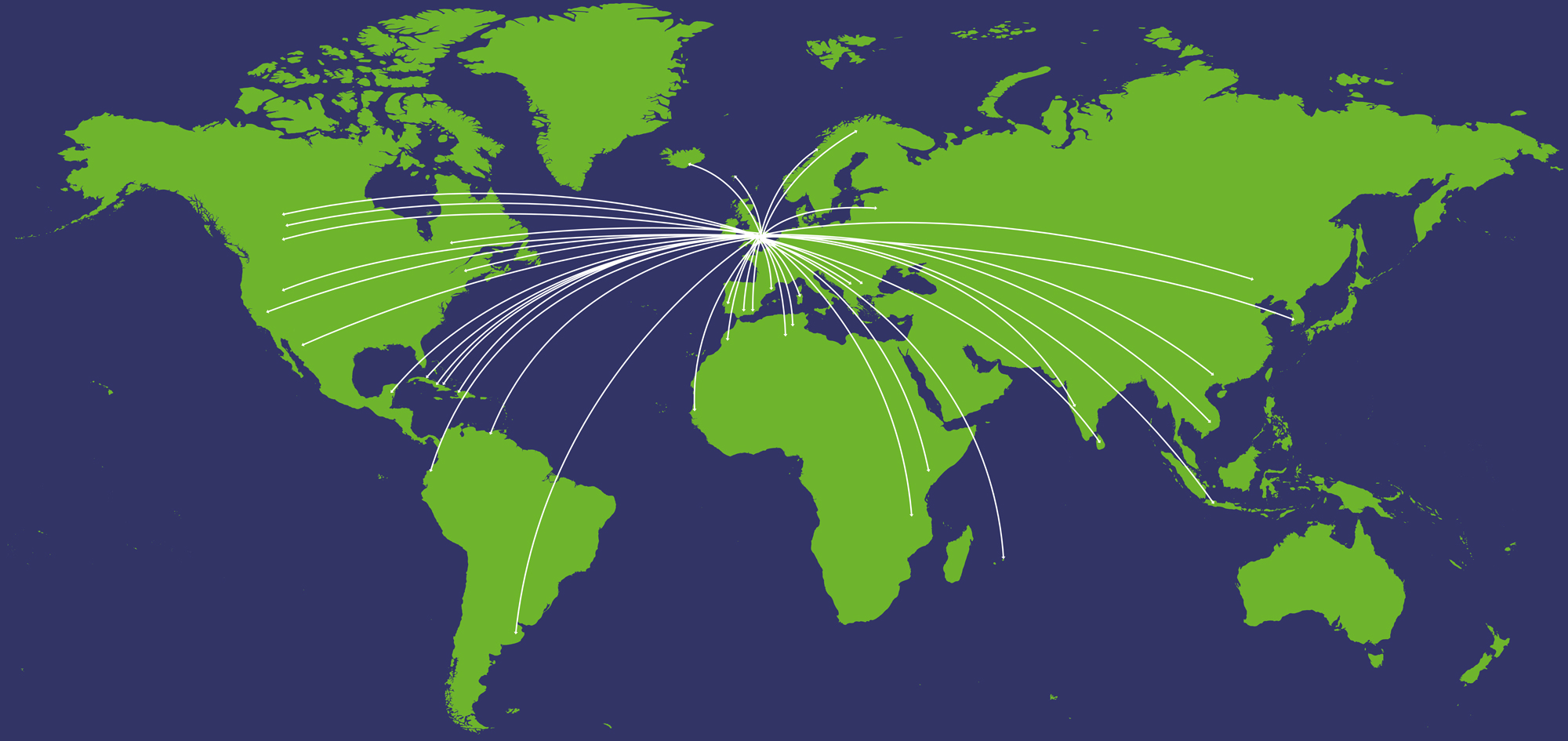
When a death happens abroad, families usually want one clear answer first, how long it will take to bring their relative back to the UK. In most cases, repatriation takes days rather than hours, and the full timescale depends on the country, the local authority procedures, the cause of death, the documents issued, and the flight options available. Some returns can be completed quite quickly where the paperwork is straightforward and flights are frequent. Others take longer because local formalities must be completed before anyone is allowed to travel.
When people ask us how long does body repatriation take from abroad to the UK, the honest answer is that there is no single fixed number of days. What we can do is explain where time is usually spent, what can speed matters up, and what tends to cause delay. At Mears Repatriation, we manage this process every day through our UK Operations Centre and International Repatriation Operations Centre, so families are not left trying to deal with consulates, airlines and overseas officials on their own.
What affects the time needed to return someone to the UK
The overall timing is shaped by several practical factors, and no two cases are identical.
The first is the country where the death occurred. Every jurisdiction has its own death registration system, mortuary procedures, and export rules. Some countries issue the necessary paperwork promptly once the death is registered. Others require several offices to approve the release, including health authorities, police, courts, embassies, consulates or High Commissions. Outside the EU, local rules can differ significantly from those many UK families expect. Even within Europe, procedures are not standardised in the way people often assume.
The second factor is the cause and circumstances of death. If the death was expected and occurred in hospital, the process is often more straightforward than where there has been an accident, a death in public, a workplace incident, or any unexplained circumstances. If the local police, prosecutor or coroner equivalent becomes involved, repatriation usually cannot proceed until they have authorised release.
The third factor is whether the deceased can be released promptly from the hospital or mortuary. In some countries, release happens once the family representative or funeral director provides the required authority. In others, release is delayed until all civil registration and health documentation is complete.
The fourth factor is the preparation required for transport. International air carriage usually requires Embalming and Preparation, suitable Casket / Coffins, and sealing or certification in line with airline and destination requirements. Some countries insist on specific coffin construction, zinc lining, official sealing, or local funeral director attendance at closure.
The fifth factor is flight availability. Even once documents are ready, we still need an airline route that accepts human remains, has space in hold cargo, and can move the deceased to the correct UK airport. Direct flights are not always available. Some routes involve transit through another country, and transit permissions can add another layer of administration.
Finally, timing depends on how quickly instructions are confirmed. We usually need authority from the next of kin or the person legally entitled to instruct us, along with passport details, contact information, and decisions about the final destination in the UK. If there is uncertainty within the family about who is giving instructions or where the deceased should be taken, that can hold matters up.
The usual stages from death abroad to arrival in the UK
Although each case differs, the process generally follows a recognisable sequence.
First, the death is formally recorded in the country where it occurred. This may involve a hospital, doctor, police authority, civil registry, or local registrar. If the death is sudden or unexplained, there may also be a post-mortem examination or official investigation before release is permitted.
Second, the deceased is identified and the local authorities confirm who has the right to make arrangements. In some countries, they will deal only with a spouse, parent, adult child, or formally appointed representative. We often help families understand what evidence of relationship or authority is required.
Third, the local death certificate is issued, or at least applied for. Depending on the jurisdiction, this may be available quickly or only after other formal steps are complete. If the paperwork is not in English, certified translations may also be needed for some parts of the process. The death should also be registered with the local British Embassy, High Commission or Consulate.
Fourth, permission for export is obtained. This is the point at which local government, health authorities, mortuary authorities, and sometimes diplomatic offices may need to approve the removal of the deceased from that country. Where the death is being repatriated to the UK, the overseas authority usually wants confirmation of the receiving funeral director or repatriation specialist.
Fifth, the deceased is prepared for transport. This may include washing, dressing, Embalming and Preparation, and placement into the appropriate transport coffin. If the family has religious requirements, such as Ritual Washing, we explain what can be carried out locally and what may need to wait until arrival in the UK, depending on the facilities and local rules.
Sixth, the airline booking is made. Human remains do not travel as ordinary passenger baggage. They move under cargo procedures, and airlines have their own cut-off times, document checks, packaging requirements and acceptance rules. We also coordinate the route, transfer points if any, and UK arrival arrangements.
Seventh, the deceased arrives at the UK airport and is cleared. This usually involves document checks with the relevant authorities and release to the appointed funeral director or repatriation team. We then transfer the deceased to the agreed funeral home, family address if appropriate for ashes only, or onward location within England, Wales, Scotland or Northern Ireland.
For families who want a more detailed overview of the process, we have set out the main steps in bringing a loved one home to the UK after a death abroad.
Documents and approvals that can delay repatriation
Most delays arise not from transport itself, but from waiting for official documents and release permissions.
The core document is the local death certificate. Without it, the authorities in that country are unlikely to authorise the repatriation. In many cases we also need a certificate or permit confirming that the body may be transported internationally. The exact name varies by country, but it is often an export permit, out of country permit, transit permit, mortuary release, or health clearance.
If there has been police involvement, a prosecutor's release, magistrate's order, or coroner equivalent authorisation may be required before the deceased can be moved. Where a post-mortem has taken place, the result does not always need to be final before repatriation, but the authority controlling the body must still issue formal release.
The passport of the deceased is often needed. Some countries retain it with the authorities, cancel it, or require it to be submitted with the export paperwork. We also commonly need the passport or identification of the next of kin who is instructing us.
Where documents are not in English, translations can be necessary. Whether they are needed before departure or only later in the UK depends on the country and on who is asking for them. Not every document needs to be translated immediately, but some airlines, consulates or receiving authorities may insist on it.
Consular involvement varies. British embassies, consulates and High Commissions can help families understand local procedure, but they do not replace the local authority that must issue the actual release documents. In some countries, the embassy or consular section may legalise documents or provide support in communicating with local offices. In others, their role is more limited.
Families are sometimes surprised to learn that EU membership does not create one common repatriation process. A death in Spain, France or Italy is still dealt with under that country's own civil and health rules. The UK also has its own entry procedures on arrival. So where there is a difference between the UK and the EU generally, the practical point is this, there is no single EU-wide repatriation timetable or document set that overrides national procedure.
How flights, preparation and local rules affect timing
Even after the paperwork is in order, practical transport arrangements can change the timescale.
Airlines do not all carry human remains, and those that do may only accept them on certain routes or through certain cargo terminals. Some destinations have daily services to the UK. Others rely on limited weekly flights. If the route involves transit, the connecting airport must also accept the shipment, and the transit country may require its own documentation.
Preparation standards matter because airlines will not accept a deceased person for carriage unless the coffin and documentation meet their requirements. That often means Embalming and Preparation by a qualified professional, together with a certificate confirming it has been carried out. We explain the transport standards in more detail on our page about Embalming and Preparation for international repatriation.
The transport container also affects timing. Some countries require a hermetically sealed inner coffin, commonly zinc lined, inside an outer coffin. Others permit a different specification provided the airline agrees. If a particular style of Casket / Coffins must be ordered, lined, sealed or inspected before departure, that can add time. We also help families understand the practical requirements for funeral caskets and coffins for transportation.
Local customs and religious practice can also affect the schedule. Families may wish for viewing, prayers, or Ritual Washing before departure. Whether that can happen overseas depends on local mortuary rules, the condition of the deceased, and the available facilities. In some cases it is more practical to complete only the essential transport preparation abroad and arrange religious observances after arrival in the UK.
Certain countries impose additional health rules, sealing inspections, municipal taxes, or attendance by a local funeral director at the airport. Others have national holidays or reduced office hours that stop documents being issued for several days. This is one reason why an apparently simple route can still take longer than expected.
Where the family chooses cremation abroad and return of Cremated Remains instead of returning the body, the timetable may be different. In some countries cremation can only take place after a statutory waiting period or after local approval has been obtained. The return journey is often simpler than transporting a coffin, but it still depends on the local authority issuing the correct cremation certificate and any export paperwork required.
What happens when the deceased arrives in the UK
Arrival in the UK is not the end of the process, but it is usually the point at which matters begin to feel more manageable for families.
At the airport, the documentation is checked and the deceased is released from cargo handling to the appointed funeral director or repatriation provider. Depending on the circumstances, this can involve review by the relevant authorities before clearance is given. Once released, we transfer the deceased by private ambulance to the agreed destination.
That destination may be one of our facilities, another funeral director chosen by the family, or a location arranged for onward travel elsewhere in the UK. Mears Repatriation works nationally, including Scotland, and we regularly coordinate with funeral directors, public authorities and overseas partners to make sure the handover is smooth.
After arrival, the family can decide on the funeral arrangements if these have not already been fixed. If the funeral is to take place in England or Wales, the receiving funeral director will advise on any UK registration or coroner requirements that still apply locally. If the person is being taken onward to Scotland or another part of the UK, we arrange the necessary transfer.
If there are personal effects travelling separately, these may also need to be accounted for. Not all items travel with the deceased, and some are released by hospitals, police or overseas authorities on a different timetable.
For families who already know that they need direct support with an incoming repatriation, we explain our service for bringing someone back from overseas to the UK.
How families can avoid unnecessary delays
Although many parts of repatriation are controlled by official authorities, there are practical steps families can take early to help the process move as smoothly as possible.
Make contact with a specialist as soon as possible. Early instruction allows us to speak with the overseas funeral director, hospital, airline or consular office before time is lost. At Mears Repatriation, each case is handled by a named repatriation specialist, so families know who is coordinating matters from the start.
Confirm who is the legal next of kin or authorised person. If several relatives are involved, agree quickly who will give formal instructions and sign documents. Disagreement within the family is one of the most common avoidable causes of delay.
Gather key information at once. We usually need the deceased's full name, date of birth, passport details if available, place of death, and the contact details for the hospital, police authority, or funeral director abroad. It also helps to know whether travel insurance is in place, as insurers sometimes appoint assistance companies or require certain notifications.
Keep identification documents accessible. If the authorities need proof of relationship or identity, having passports, marriage certificates or birth certificates ready can save time.
Decide early whether the deceased is to be brought home for burial or cremation in the UK, or whether cremation abroad and return of Cremated Remains is being considered. The documents and route differ, and changing course halfway through can add delay.
Tell us about any religious or cultural requirements immediately. If the family needs Ritual Washing, urgent burial, a particular coffin style, or arrival at a specific airport, we can plan around that from the outset where local rules allow.
Be cautious about assumptions based on domestic funerals. Repatriation is a specialist field. The process involves international transport law, cargo booking, consular contact, health paperwork and country-specific release procedures. That is why our work at Mears Repatriation sits alongside the wider funeral experience of Mears Family Funerals and the international focus associated with Funerals Without Frontiers.
Most importantly, do not wait for every answer before asking for help. Families often feel they should first gather all documents themselves, but in practice we can usually start guiding the case before every paper has been issued. Steven Mears built Mears Repatriation around exactly this need, giving bereaved families, funeral directors, governments and corporate clients one point of contact through our International Repatriation Operations Centre while the formalities are being completed.
The time needed to bring someone home to the UK is rarely fixed at the outset, but it is manageable when the process is handled properly. Our role is to keep the case moving, explain what is happening at each stage, and work with airlines, embassies, consulates, High Commissions and local authorities so that your relative can be brought home with dignity and without avoidable delay.
Questions and answers
Can body repatriation to the UK happen within a few days?
Sometimes, but only where documents, local permissions and flights are available quickly. In many cases it takes longer because authorities abroad, airline requirements and UK clearance all need to be completed first.
Why does repatriation take longer in some countries than others?
Each country has its own death registration rules, release procedures, embassy involvement and transport options. Delays are more likely where paperwork is complex, offices close for holidays or flights are limited.
Does a post-mortem delay bringing someone back to the UK?
Yes, it can. If local authorities require a post-mortem, inquest or police investigation, repatriation usually cannot proceed until the deceased is formally released and the necessary documents are issued.
Can ashes be returned faster than a coffin?
Often yes. Cremated Remains usually involve fewer transport requirements than a coffin, although documents and airline rules still apply and timings depend on the country where the death occurred.
Who arranges the paperwork for repatriation?
This is usually handled by a specialist repatriation provider working with local partners, authorities, airlines, embassies, consulates and High Commissions, while keeping the family informed about what is needed.